





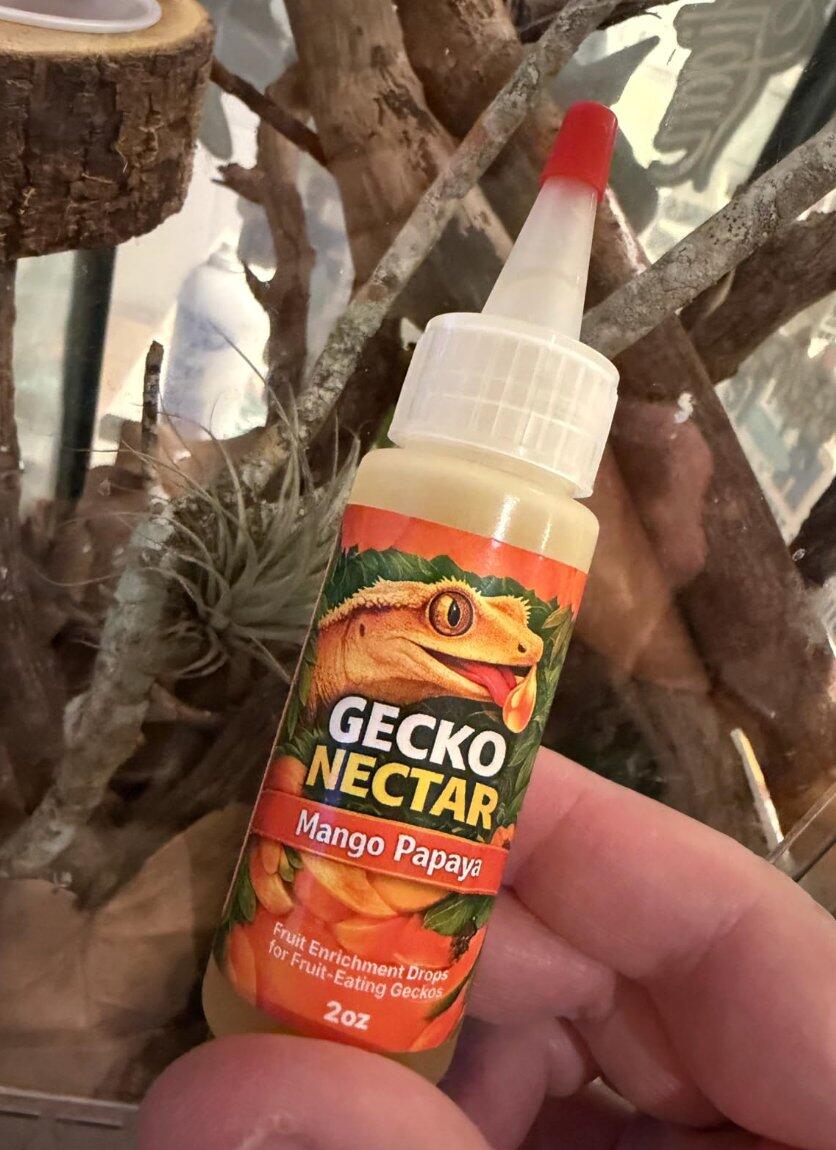
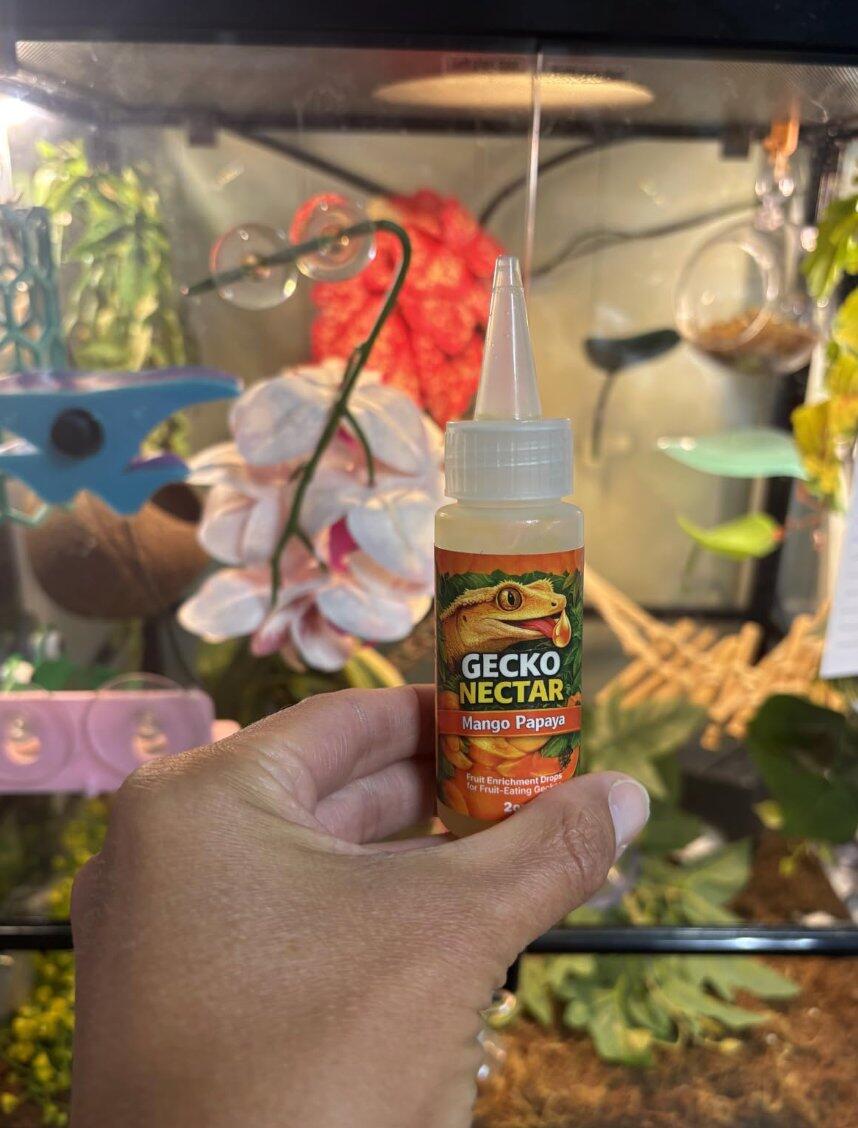
Gecko Nectar Treat – Liquid Fruit Drops
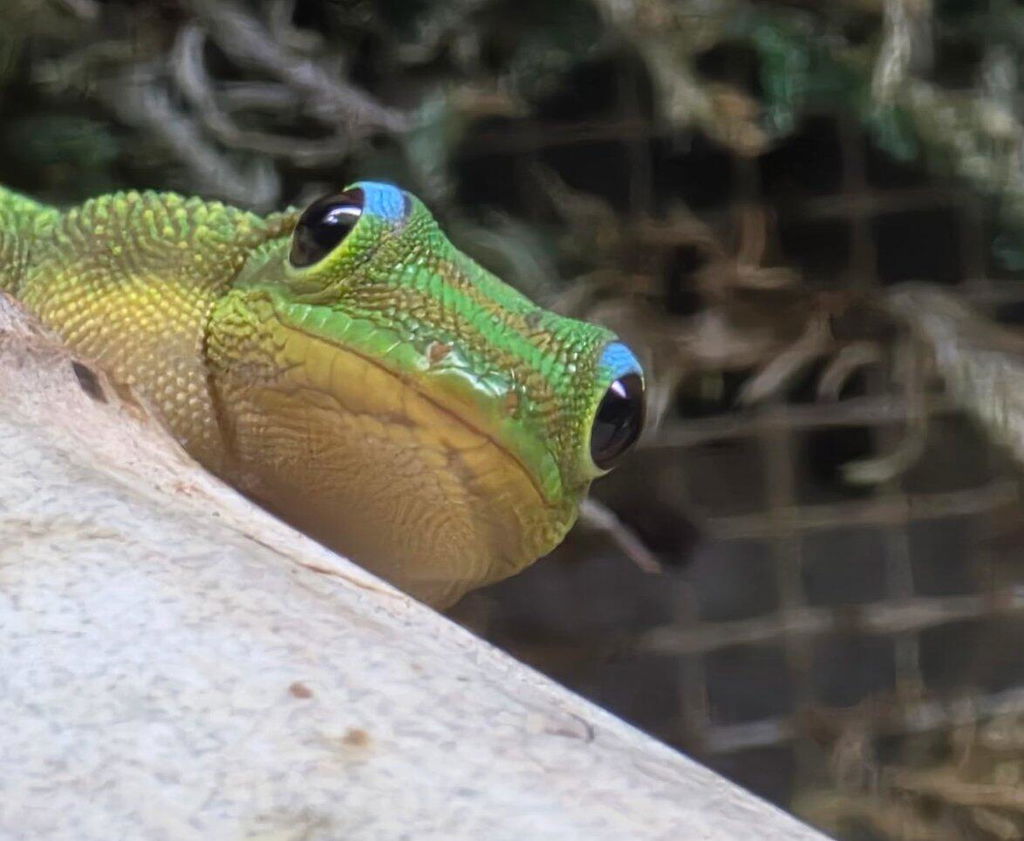
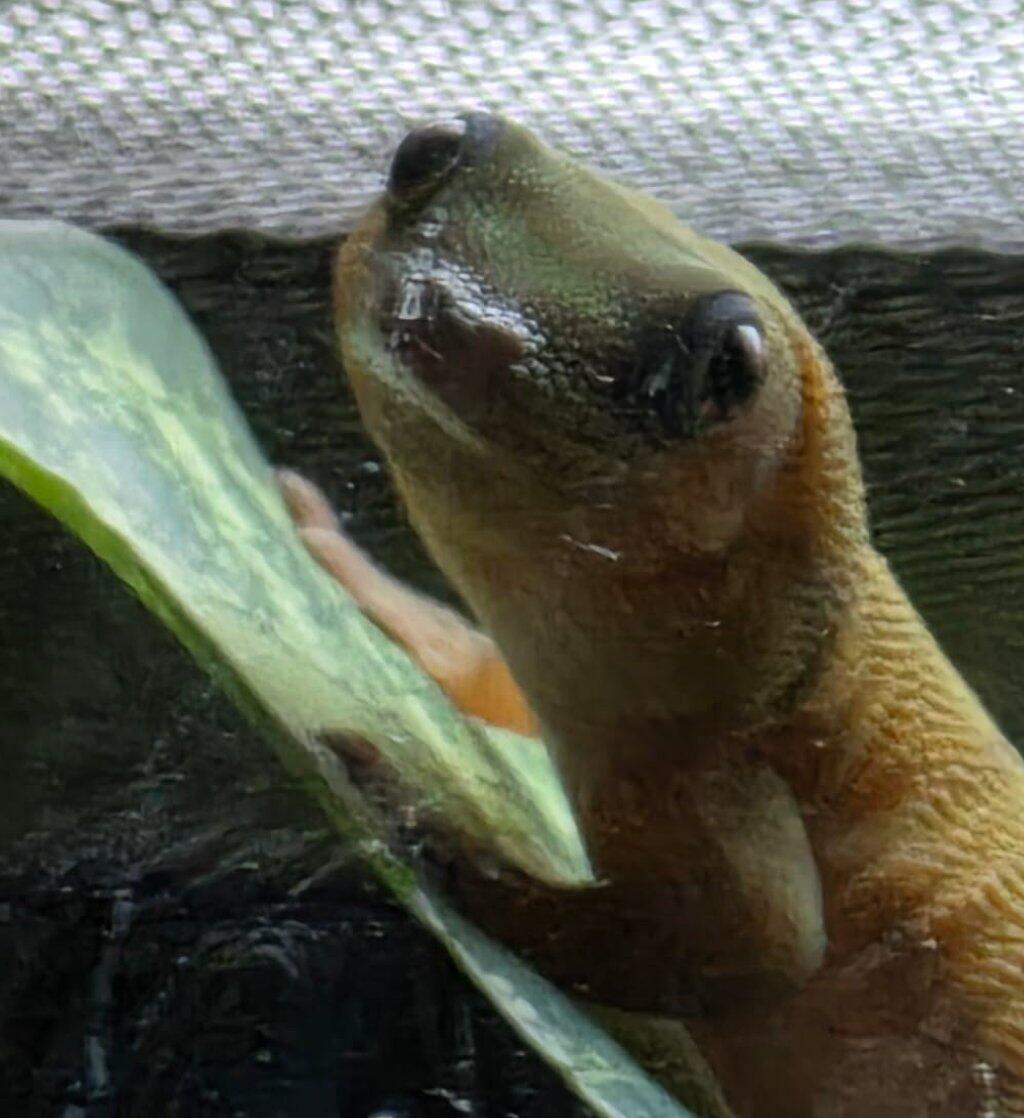
A liquid fruit treat for crested geckos, day geckos, and more.
Blogs & Videos About This Product

We Watched Wild Crested Geckos Eat — Then Built the First Liquid Gecko Treat
Jun 19, 2026
Read more →



Questions & Answers
Answered by real pet keeping experience.
Q What are customers saying about it?
Q What's the best way to give it — water dish, on a surface, or in the food?
Q Is this a meal or just a treat?
Q Why bother with this if I already feed crested gecko diet?
Q My gecko has gotten picky — will this actually get it eating?
Q What flavor is it, and should I rotate flavors?
Q Which animals can have it?
Generated by Wild AI
Try it now — ask more questions
Product details

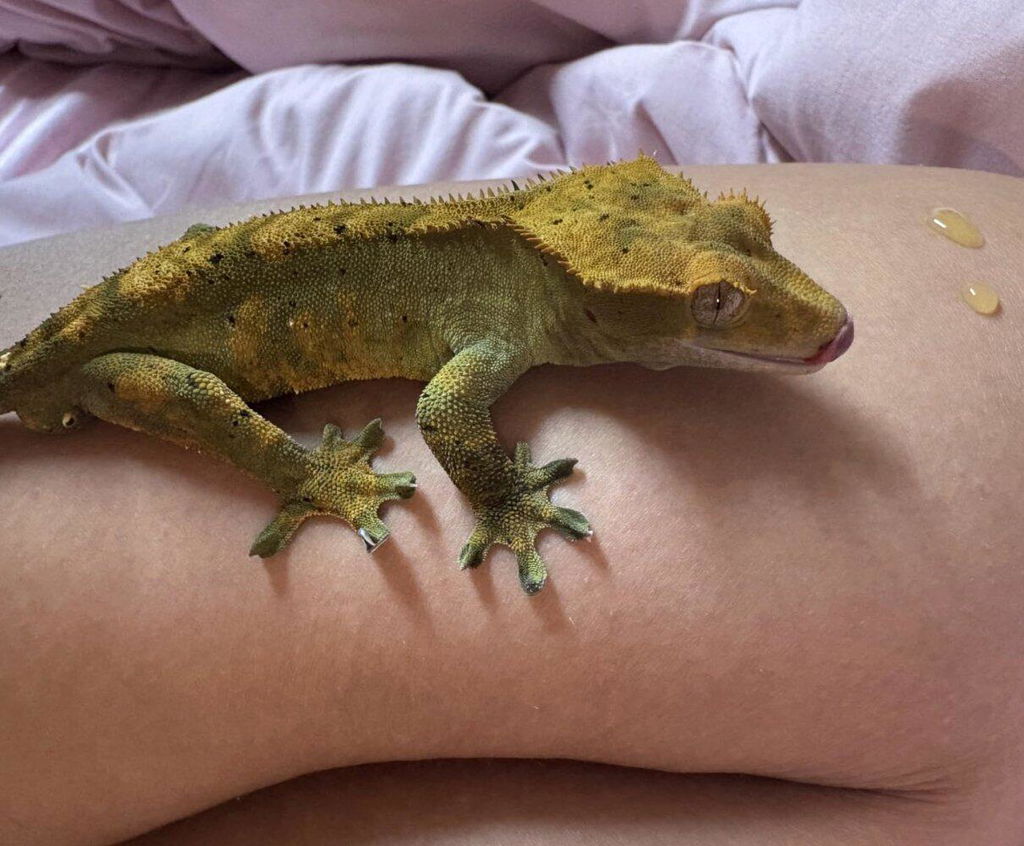
Add a single drop to your gecko's water dish, place a small amount on a piece of decor or the enclosure wall, or mix it directly into crested gecko diet to add a burst of fruit flavor that gets most geckos moving and interested immediately. The liquid format makes it easy to use in all three ways depending on what your gecko responds to best — some animals go straight for the water dish, others prefer licking it off a surface in the enclosure. It is formulated to match fruit flavors that geckos naturally seek out and works well for crested geckos, day geckos, gargoyle geckos, and other fruit-eating species. Fruit-eating tortoises will also take to it, and it works as an occasional light treat for bearded dragons alongside their regular diet.
Same nectar base. Three fruit profiles.
The first liquid treat made for gecko keepers — compare flavors and pick what fits your feeding routine.

Mango Papaya
Tropical & sweet
- Mango
- Papaya
- Honey
The most fruit-forward of the three — a good starting flavor for geckos new to nectar feeding.
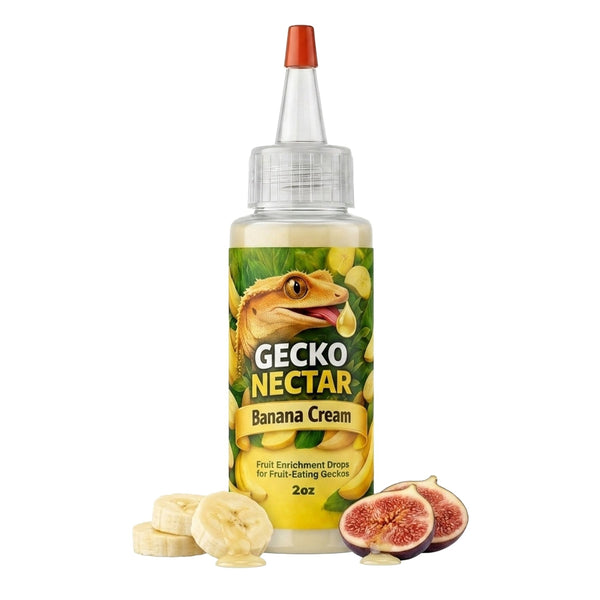
Banana Cream
Rich & mellow
- Banana
- Fig
- Honey
Thicker, fig-rounded sweetness — the flavor keepers reach for with picky eaters.
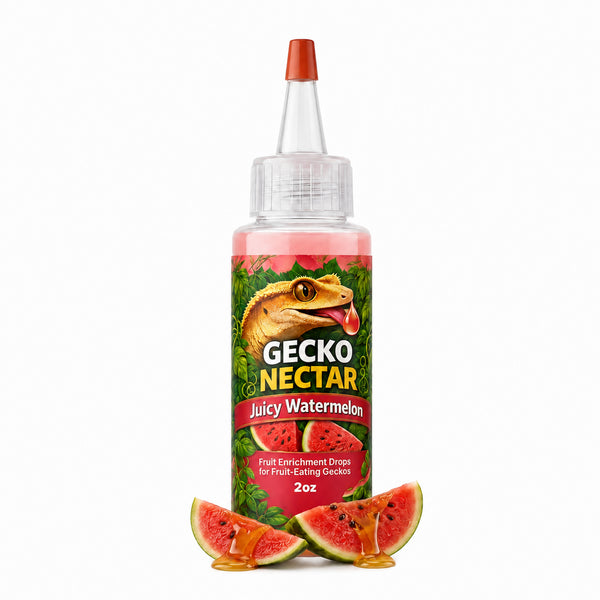
Juicy Watermelon
Light & hydrating
- Watermelon
- Honey
The simplest ingredient list of the three — light and easy to rotate in during warmer months.
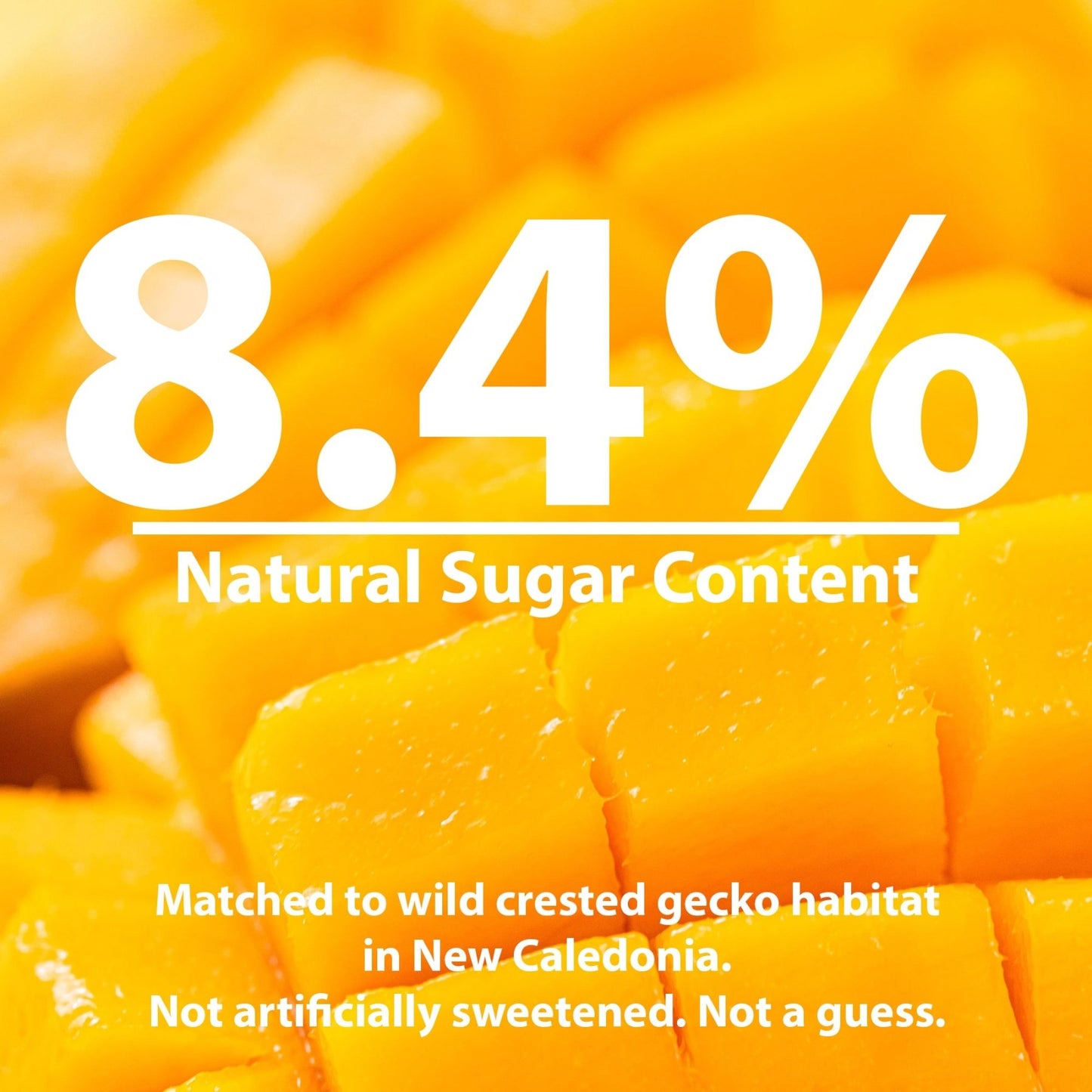
No added sugars
Sweetened only with real fruit and organic honey — nothing refined added.
Designed by real keepers
The first liquid treat made specifically for gecko diets, built from actual feeding routines.
Supports breeding & energy
Real fruit concentrate and organic honey, no artificial colors or dyes — used to encourage feeding, energy, and breeding condition.
This is a treat, not a meal replacement or daily supplement. The best way to use it is as an enrichment tool — a small reward during handling, a way to encourage a gecko to explore a new part of the enclosure, or a flavor boost mixed into CGD to get a reluctant feeder interested in eating. Geckos that have become selective about their diet or are going through a slow eating period will often respond immediately to a fresh scent and flavor they have not had before. Rotating between flavors is a simple way to keep feeding time interesting for the animal and for the keeper.
Use sparingly — a drop or two per session is all that is needed. Not intended as a primary food source or daily nutritional supplement. Store with the cap sealed in a cool dry place between uses. Safe for crested geckos, day geckos, gargoyle geckos, leachianus geckos, fruit-eating tortoises, and as an occasional treat for bearded dragons.
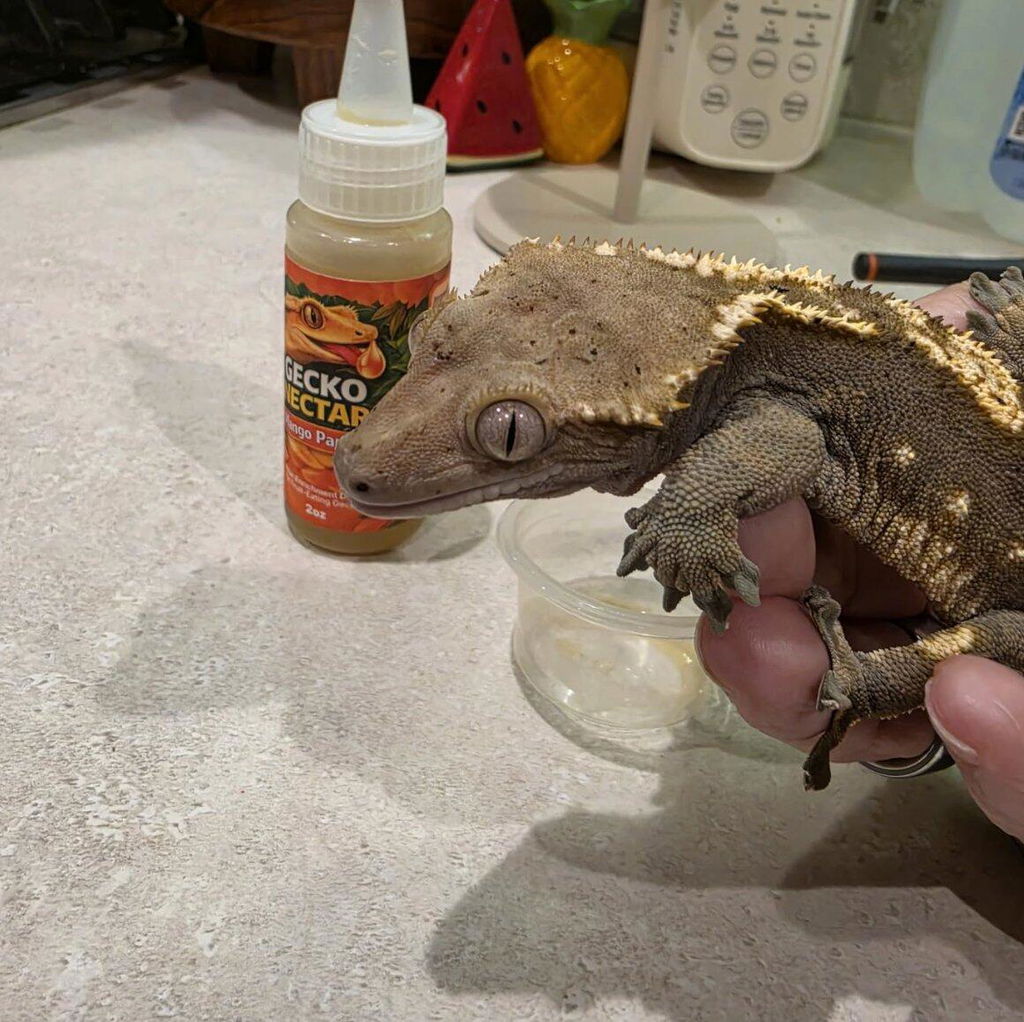
Featured Video
Watch our product in action


