





Questions & Answers
Answered by real pet keeping experience.
Q What are customers saying about it?
Q Do my shrimp really need a calcium supplement, or is my remineralized water enough?
Q Will it change my pH, GH, or KH?
Q Will it cloud my water or leave a mess?
Q How many do I feed, and how often?
Q Is it just calcium, or is there more to it?
Q What can I feed it to — just shrimp?
Generated by Wild AI
Try it now — ask more questions
Product details
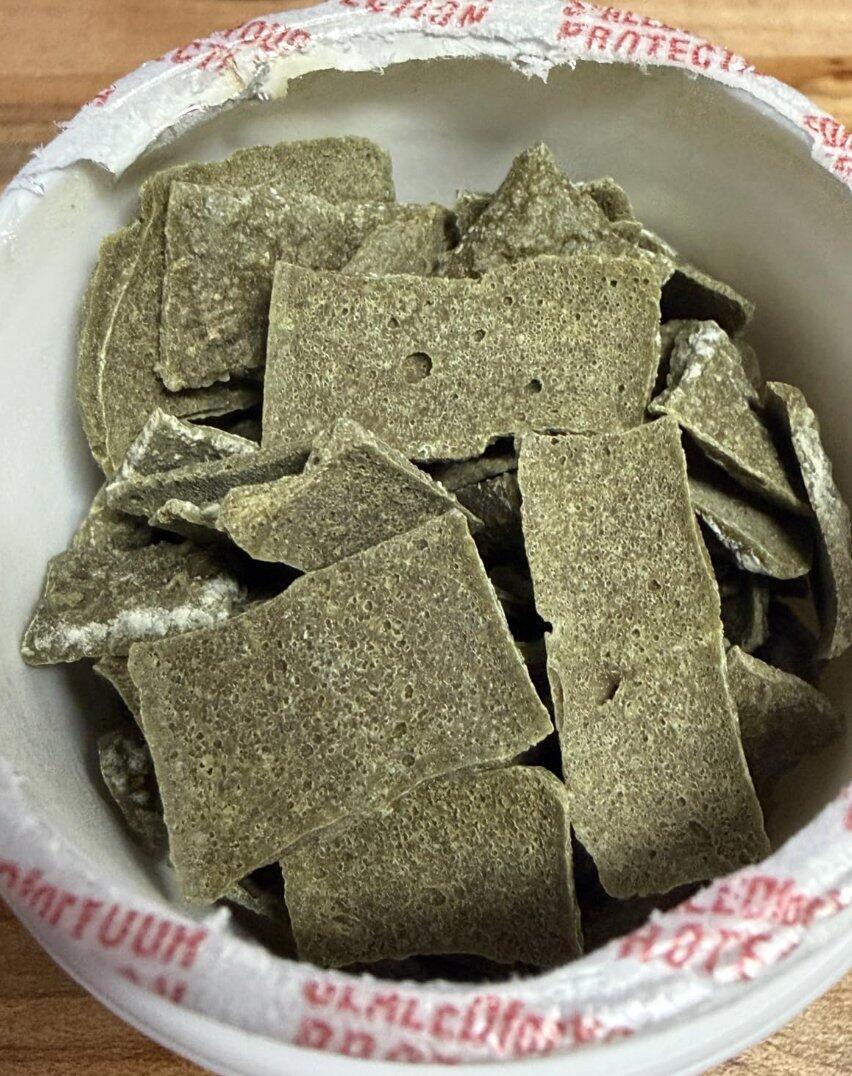
Each tablet is baked and dehydrated rather than pressed from powder, which gives it the structural integrity to sink immediately, hold its shape for hours, and release nutrients slowly at the bottom of the tank where shrimp, snails, and bottom feeders are actually spending their time. Compatible with neocaridina shrimp, caridina shrimp, mystery snails, nerite snails, ramshorn snails, rabbit snails, plecos, and all freshwater invertebrates. Works in dedicated shrimp tanks, community aquariums, and planted tanks without any risk to the other inhabitants. Drop one tablet in and walk away — there is no cloudiness, no residue, and nothing floating back up to the surface.
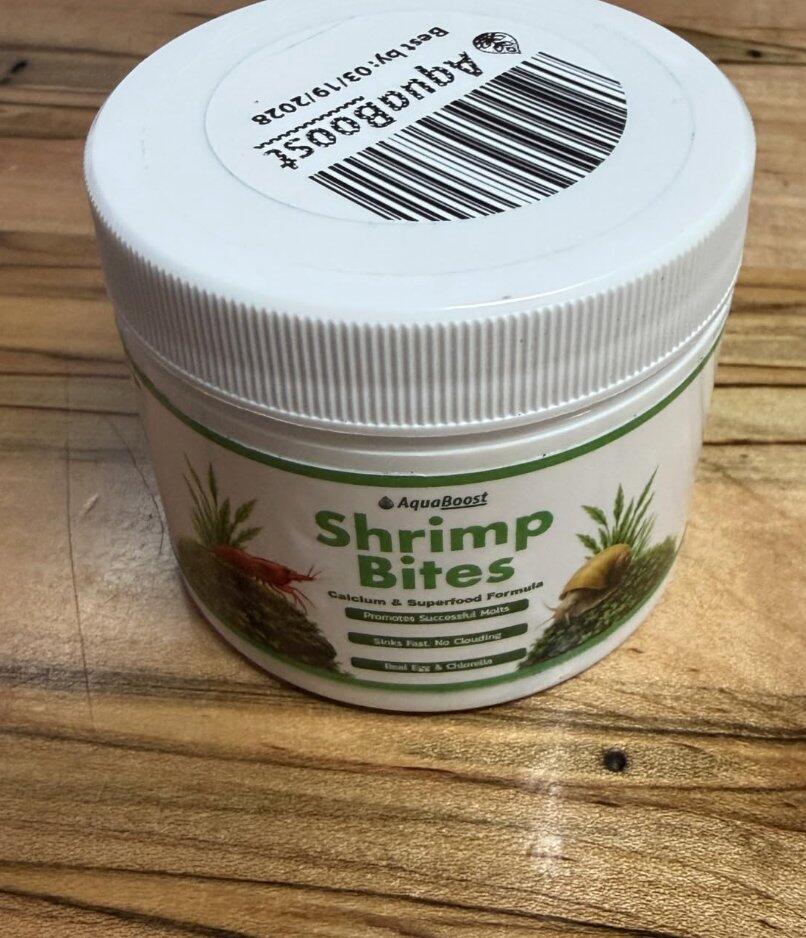
Calcium deficiency is the most common and most overlooked problem in freshwater invertebrate keeping. Most tap water and remineralized RO water does not contain enough dissolved calcium to meet the ongoing demands of a molting shrimp colony or a snail with an actively growing shell. The signs — failed molts, soft shells, poor coloration, and unexplained deaths — appear gradually and are easy to misread as a water quality or disease problem. Shrimp Bites solve it at the dietary level with high-bioavailability calcium paired with phosphorus, real egg protein, chlorella, and a full vitamin and mineral profile that supports every stage of the shrimp's life cycle from juvenile growth through breeding and molt recovery.
Feed one tablet per ten shrimp every two to three days as a dietary supplement alongside your regular feeding routine. Remove any uneaten tablet after 24 hours to maintain water quality. Store in a cool dry place with the container sealed between feedings. Safe for all freshwater fish, shrimp, snails, and invertebrates. Does not affect pH, KH, or GH. Freshwater use only.
Featured Video
Watch our product in action


