


Questions & Answers
Answered by real pet keeping experience.
Q What's the difference between decapsulated and regular brine shrimp eggs?
Q What nutrients does it have, and what does it do for my fish?
Q What makes this special compared to other fry foods?
Q Do I need to hatch or prepare it at all?
Q Will it foul my water or leave shell debris?
Q What fish and inverts can I feed it to?
Q How much do I feed, and how long will the jar last?
Generated by Wild AI
Try it now — ask more questions
Product details
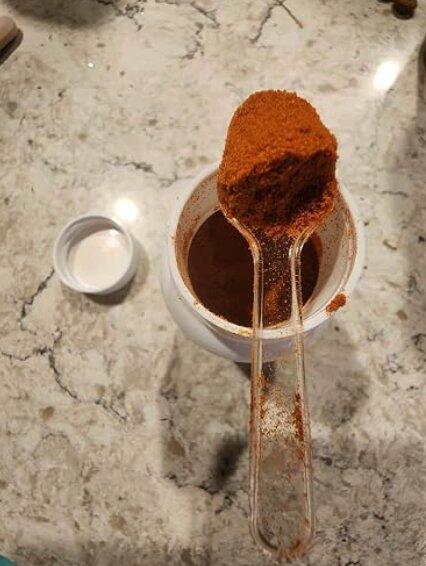
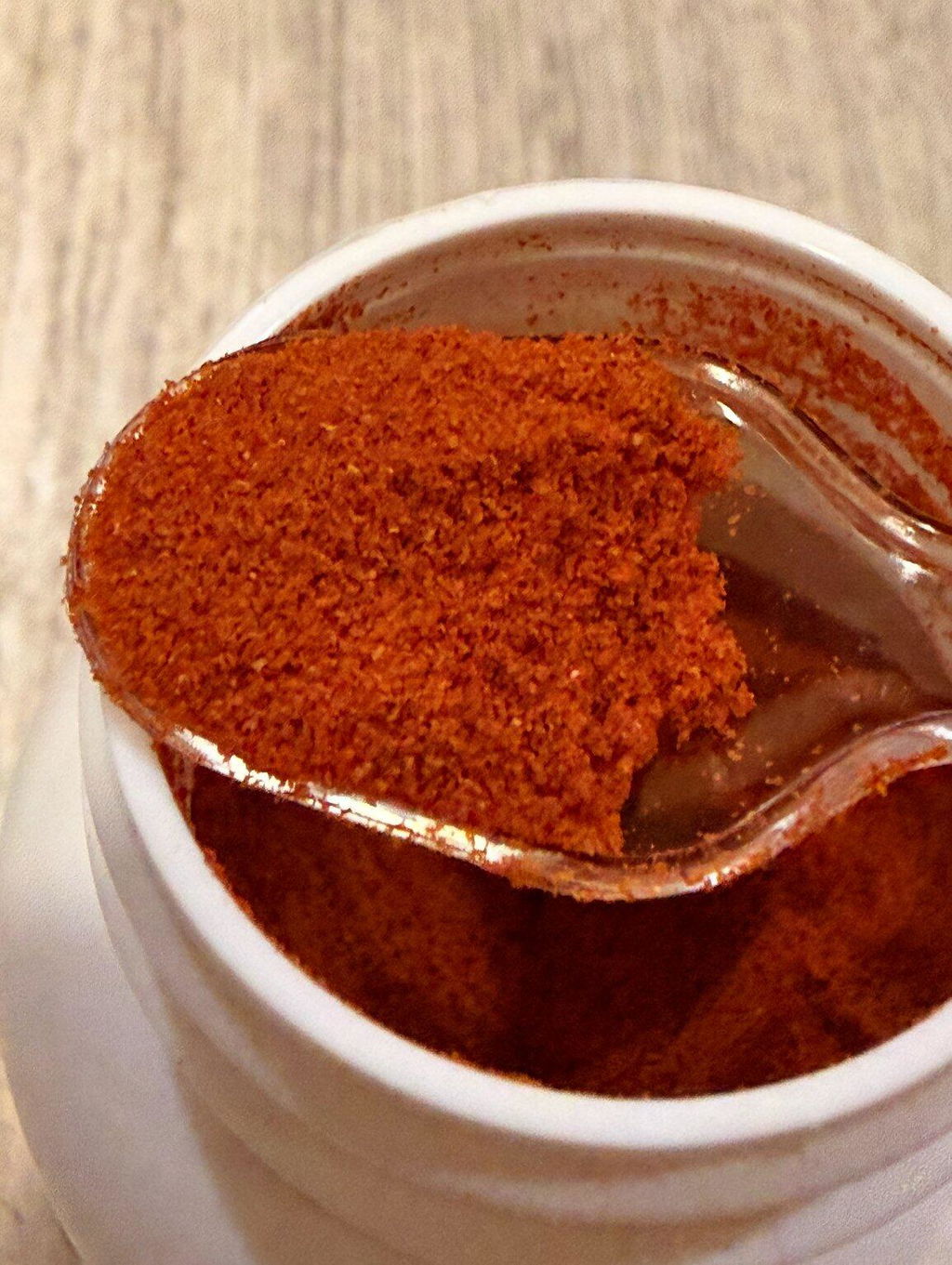
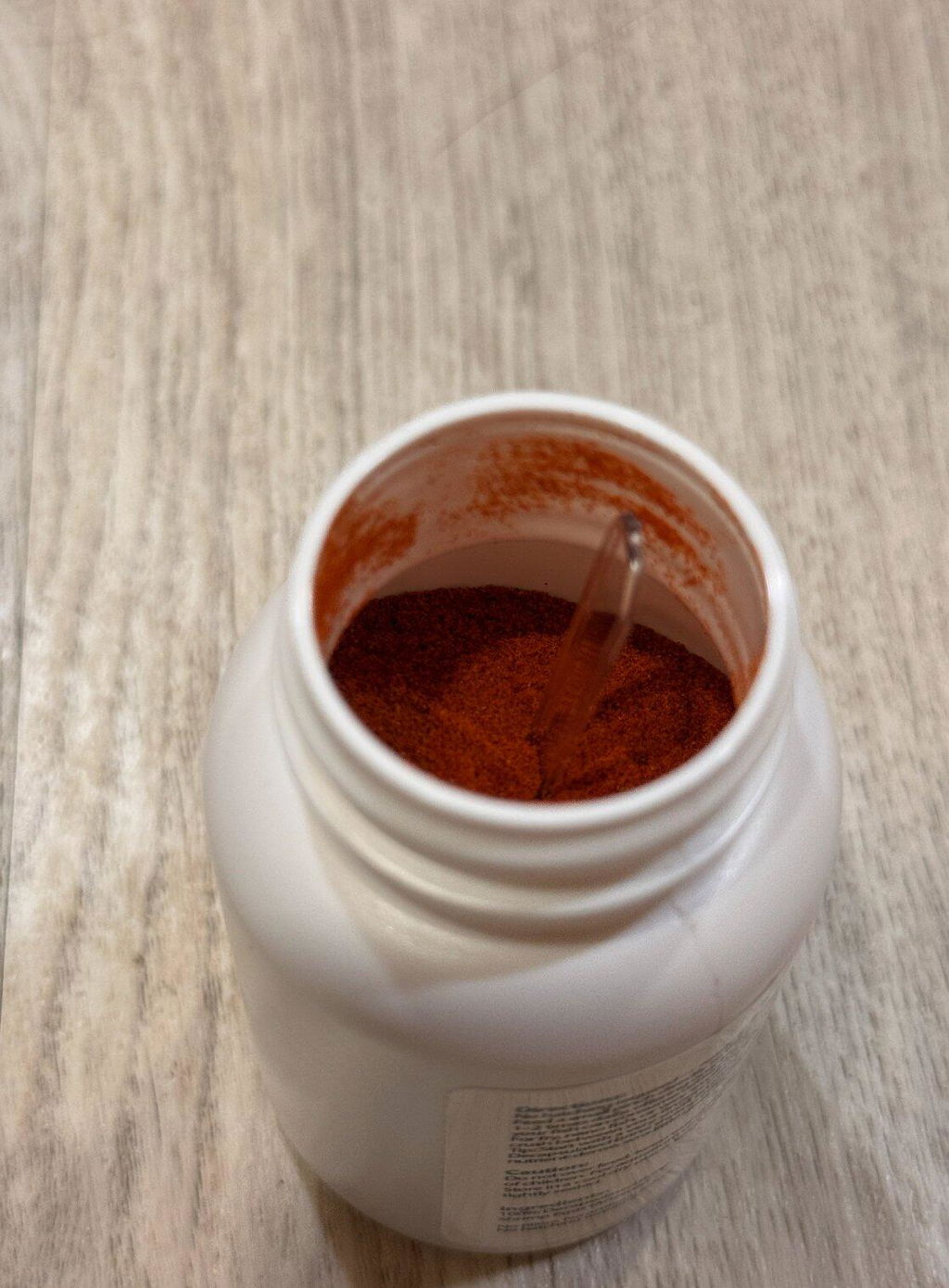
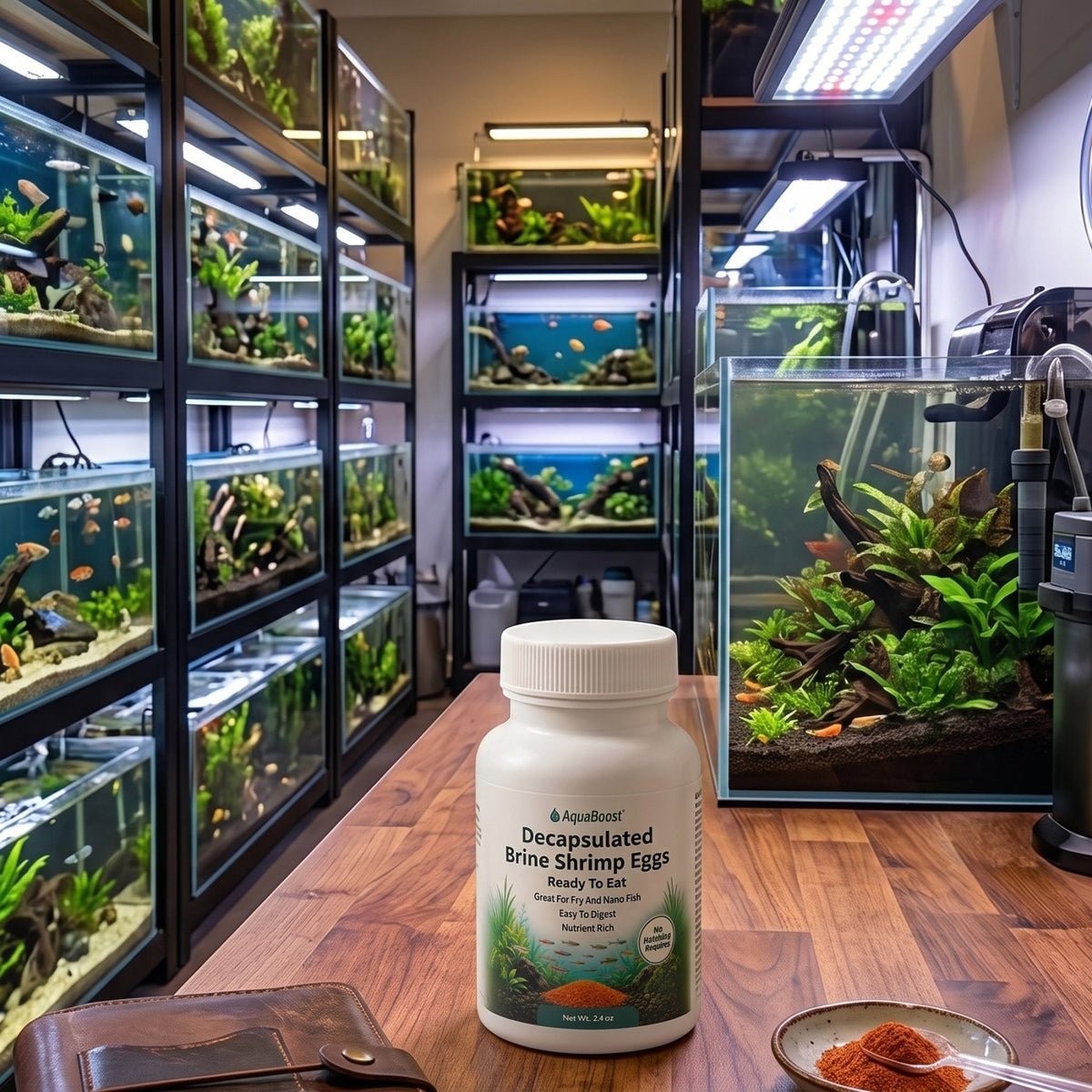
Open the jar, scoop with the included dosing spoon, and feed. The outer shell has been fully removed during processing so what is left is pure, digestible nutrition that fish and fry can eat immediately without leaving indigestible shell debris sitting on the tank floor or clouding the water. Works for livebearer fry, egg-layer fry, dwarf shrimp, bettas, and any bottom feeder that does well on small protein-dense food. The 2.4oz jar is sized to last through consistent daily feedings without going stale, and the included spoon keeps every dose measured and controlled so nothing goes to waste.
Traditional brine shrimp eggs mean setting up a hatchery, aerating salt water for 24 hours, separating shells from nauplii, and repeating the whole process the next day before the tank ever gets fed. For a breeder running multiple fry tanks that routine is manageable with the right setup, but for most keepers it is more effort than the result justifies. Decapsulated eggs deliver the same high protein and essential fatty acid content that makes baby brine shrimp one of the best fry foods available — without any of the equipment, waiting, or cleanup that comes with hatching your own.
Feed a small measured amount once or twice daily based on tank size and the number of fry or fish being fed. Start conservative and increase based on how quickly the food is consumed — anything uneaten after a few minutes should be removed to maintain water quality. Store with the lid sealed in a cool dry place between feedings. Safe for freshwater fry tanks, shrimp colonies, betta tanks, and community aquariums.