






Questions & Answers
Answered by real pet keeping experience.
Q Why buy an established cup instead of cheaper cuttings or plugs?
Q Will the plants melt or die back after I plant them?
Q Why does it come with live springtails — do I actually need them?
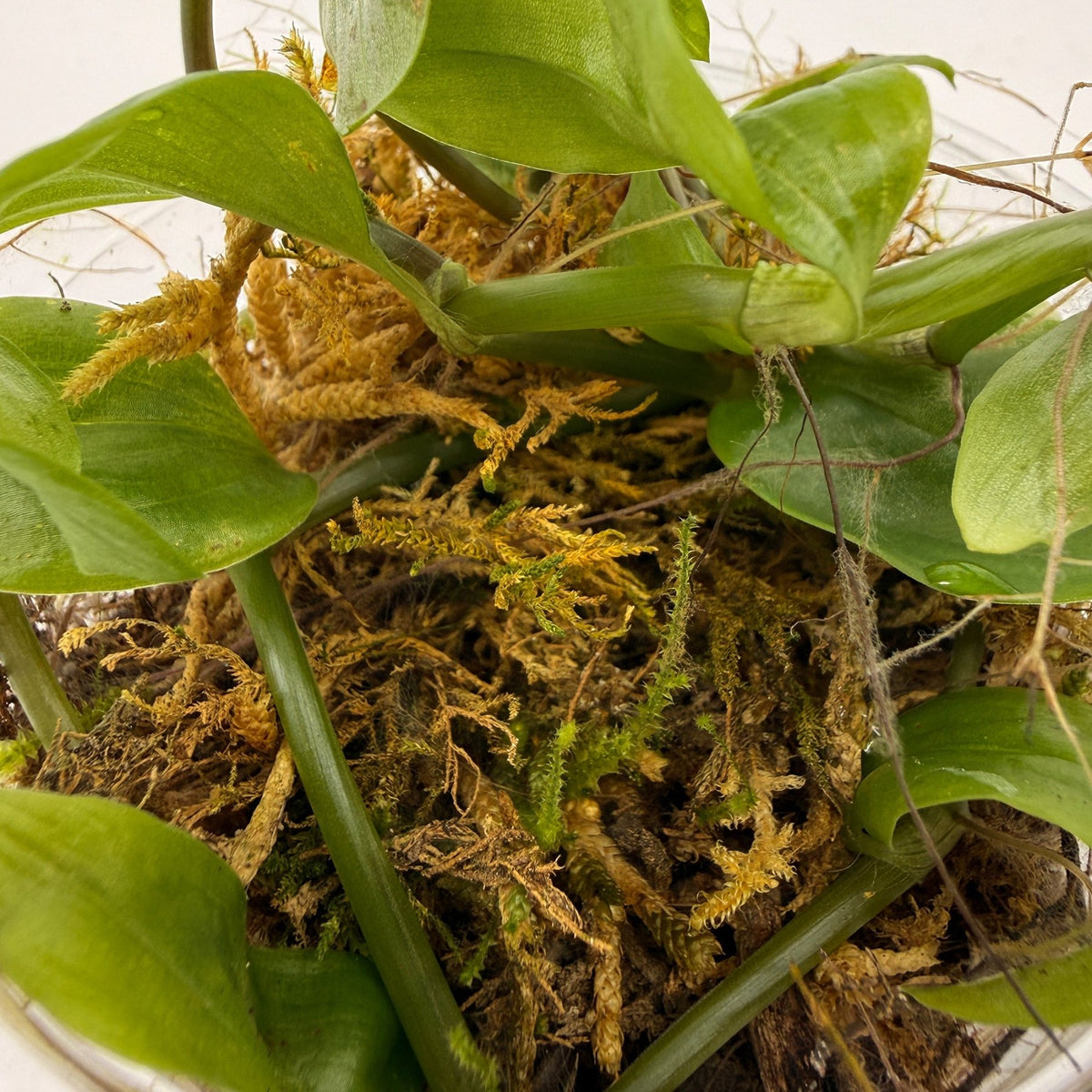
Q What's actually in the cup?
Q How do I plant it?
Q What setups is this for — and what doesn't it suit?
Generated by Wild AI
Try it now — ask more questions
Product details
Each cup arrives with a curated mix of tropical vines, ivy, and mosses — including tropical moss varieties and sphagnum — selected specifically for humid terrarium environments where they will spread and establish naturally once planted. Live springtails are included in every cup to prevent mold from taking hold during shipping and in the early weeks after planting, which is the window when most terrarium plants are most vulnerable. A drainage layer is built into the bottom of the cup so excess moisture moves down and away from the root zone rather than sitting and rotting the base of the plants before they get a chance to establish.
Every cup is grown for a minimum of two months before it becomes available, which means the plants arrive with established root systems rather than freshly cut or plugged material that still needs to develop. They are grown on a nine-hour light cycle that mirrors standard terrarium lighting conditions, so the transition from cup to enclosure does not shock the plants or trigger a die-back period. Most cups are ready to establish and begin spreading within the first two weeks of planting in a properly set up tropical terrarium.
Plant directly into the terrarium substrate by loosening the cup contents gently and placing the root mass into the enclosure floor. The springtails will move into the substrate naturally and establish themselves as part of the cleanup crew. Keep the enclosure humidity consistent in the early weeks while the plants root into the new substrate. Best suited for tropical and humid terrarium builds including dart frog vivariums, crested gecko enclosures, and bioactive setups running consistent misting or a fogger.


