






Questions & Answers
Answered by real pet keeping experience.
Q How do I use them?
Q What size are they, and will they fit my enclosure?
Q Why bother containing the food — can't I just drop it on the substrate?
Q Why do I get ten trays — is that overkill for one enclosure?
Q Is it good for bioactive setups?
Q Can I use them for feeder insects too, or just isopods?
Q What are they made of, and are they reusable?
Generated by Wild AI
Try it now — ask more questions
Product details
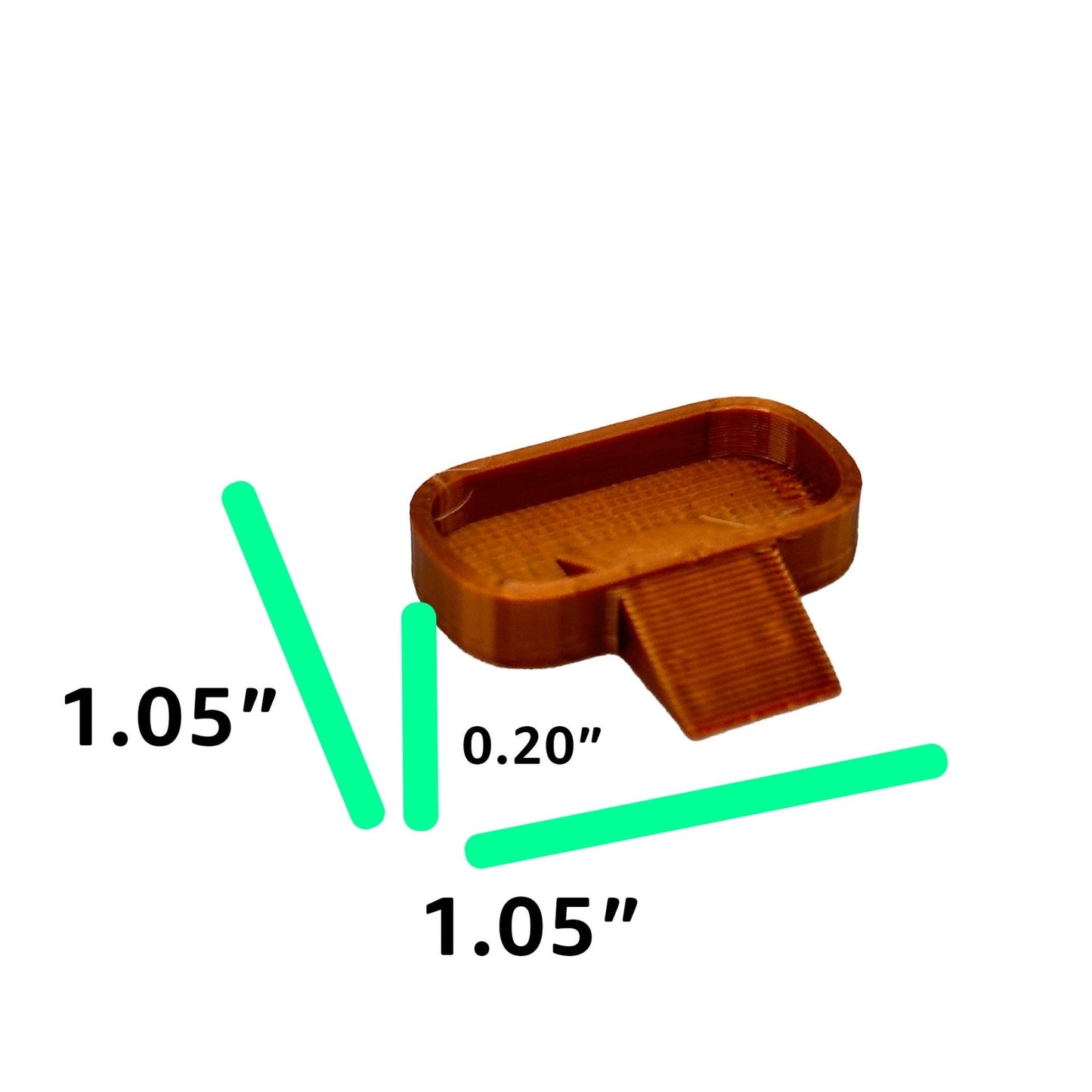
Each tray measures 1.05 by 1.05 inches — small enough to sit inside any standard isopod enclosure without taking up meaningful floor space, and sized right for a pinch of food that a small to medium colony will finish in one sitting. Drop food directly into the tray at each feeding and isopods will gather around it and eat in one spot rather than spreading food across the substrate where it is harder to track and remove. When feeding is done, pull the tray out, rinse it under water, and it is ready for the next use. Having ten trays in a pack means you have enough to run multiple enclosures simultaneously or rotate trays while others dry. Made from non-toxic plastic and fully reusable. Made in the USA.
Keeping food contained in an isopod enclosure matters more than it might seem at first. Isopods will eat almost anything organic, which means uneaten food left loose on the substrate gets buried, forgotten, and eventually contributes to moisture buildup and mold growth in areas of the enclosure that are hard to monitor. A dedicated feeding tray gives you a consistent spot to place and remove food so you always know exactly what has been eaten and what needs to come out. It is a small habit that makes a noticeable difference in how clean and stable the enclosure stays over time, especially in bioactive setups where you want the microfauna doing specific jobs rather than processing leftover food randomly throughout the substrate.

Works with all standard isopod foods including protein sources, algae pellets, fish food, and fresh fruit and vegetable pieces. Also suitable as a feeding dish for crickets, mealworms, and other small feeder insects. Rinse with warm water between uses. Do not use soap or cleaning products. Ten trays per pack.
Featured Video
Watch our product in action


